Plumbing Mistakes can turn a small leak, clog, or warning sign into serious home damage. In Cedar Park, stop water when it is safe, avoid risky quick fixes, and pay attention to changes in pressure, smells, or water quality. Knowing what to watch for can help you act sooner and limit harm.
A small drip may seem easy to ignore. A toilet that keeps running may sound harmless. Yet water can damage floors, walls, and belongings before the problem looks severe. Cedar Park Plumbing helps residents understand when a plumbing issue needs prompt attention.
Table of Contents
- Which plumbing mistakes can lead to major damage?
- What should you do when a pipe bursts?
- Why is ignoring a small leak a costly mistake?
- What should you avoid doing when a drain is blocked?
- How can an overflowing toilet cause preventable damage?
- Why should you never ignore a water heater warning sign?
- How can DIY plumbing repairs make an emergency worse?
- What plumbing warning signs should homeowners watch for?
- When should you call an emergency plumber?
- How can you reduce the risk of future plumbing emergencies?
- Frequently Asked Questions
Which plumbing mistakes can lead to major damage?
Ignoring a leak, forcing a clog, or waiting during a burst pipe can cause major damage. Water may spread through floors, walls, and cabinets before you see it. Acting early can help limit damage and make it easier to find the source.
How small problems can become urgent repairs
A loose fitting may drip slowly, while water gathers in a hidden spot. A toilet that keeps running can waste water and may have a worn part inside its tank. A drain that slows again and again may have a blockage farther down the line. It is easy to dismiss these signs until water appears somewhere new or a fixture stops working.
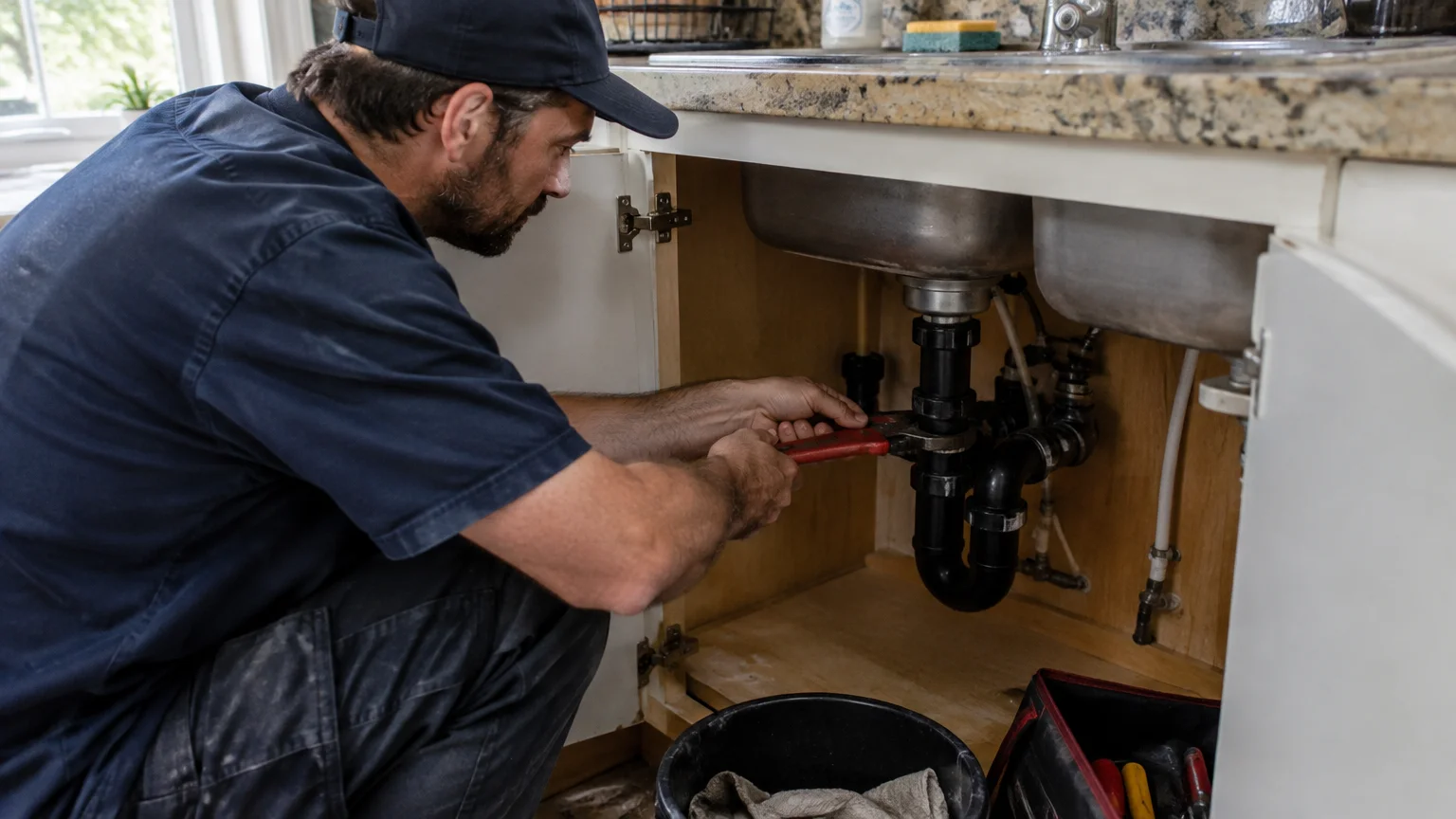
Some Plumbing Mistakes happen when someone treats only the visible sign. For example, clearing a sink again and again may not fix the reason it keeps clogging. A quick patch may also fail if a pipe is cracked or a fitting is under strain. Do not let a short-term fix hide a problem that needs proper plumbing repair.
Why early warning signs matter
Water can harm drywall, wood, floors, and stored items. Damp materials may also grow mold if they stay wet. Finding a leak or overflow early gives you a chance to stop the water and check the affected area. Do not wait for a ceiling stain or a spreading puddle before taking a warning sign seriously.
Homeowners in Cedar Park can write down when a problem began and what changed. That note can help a licensed plumber understand what may be wrong. If water is actively escaping, a drain is backing up, or a fixture creates a safety risk, prompt help matters more than repeated trial and error.
What should you do when a pipe bursts?
When a pipe bursts, stop the water if it is safe, keep people away from wet electrical areas, and protect nearby belongings. Then arrange professional help. Do not touch electrical equipment or enter standing water if there may be an electrical danger.
How to shut off the water supply safely
If one fixture is leaking, its shutoff valve may stop the flow. Turn the valve gently, and do not force one that is stuck or damaged. If it does not work, use the main water shutoff only if you can reach it safely and know where it is. Tenants should contact the landlord or property manager as soon as possible.
A shutoff valve controls water flow to a fixture or building. Knowing where the main valve is before an emergency can save time. If it is hard to reach, covered, or unsafe to use, step back and ask for help. Avoid tools that could break the valve or cause another leak.
What to move, protect, and document
After stopping the water, move dry items away from the wet area if it is safe. Keep children and pets clear. Take photos of visible damage for the property owner or insurance records, but do not delay safety steps to document the scene. If water is near outlets, appliances, or a breaker panel, stay clear and get qualified help.
For a burst pipe, note where the water appeared, when it started, and whether shutting off the water changed the flow. Share those details when you request service. Do not cover a wet wall or floor with plastic and assume the problem is solved. Moisture may remain hidden. Emergency Plumbing and help for leaks and burst pipes may be needed when a pipe fails or water keeps escaping.
Why is ignoring a small leak a costly mistake?
A small leak can harm hidden parts of a home, even when the drip looks minor. Water may travel behind a wall, under a floor, or inside a cabinet. Finding and stopping the source early can keep a small repair from becoming a larger property problem.
Where hidden leaks commonly occur
Leaks often form around sink traps, faucet connections, toilet bases, appliance hoses, and pipe joints. A water heater or supply line can also leak where it is hard to see. Check under sinks and around fixtures while cleaning. Look for damp items, stains, or water that comes back after drying.
A leak may also happen inside a wall or below a floor. These places can be hard to check without the right tools. Do not cut into a wall just because a stain appears nearby. Water can travel, so the wet spot may not show where the pipe has failed.
Signs of water damage behind walls and under floors
Watch for bubbling paint, a growing ceiling stain, soft flooring, or a musty smell that stays. A sudden change in water pressure can have several causes. These include a leak, a partly closed valve, or a change in the water supply. One sign alone does not prove a hidden leak, but several changes together deserve attention.
If water is leaking now, stop it if safe and protect nearby belongings. Do not seal a damp area before someone finds the source and the material dries. Cedar Park Plumbing can help property owners assess urgent leaks and decide what needs attention. A dry-looking surface does not always mean the hidden area is dry.
What should you avoid doing when a drain is blocked?
Do not keep pouring chemical cleaner into a blocked drain, and never mix cleaning products. Repeated use can harm some pipes or leave dangerous liquid in the drain. If the clog returns or affects more than one fixture, stop trying quick fixes and seek help.
Why repeated chemical drain cleaner use can cause problems
Chemical cleaners can splash onto skin or eyes and may create harmful fumes. They can also stay in a clogged pipe, creating a hazard for anyone who later opens or clears it. Never mix drain products with bleach, ammonia, or another cleaner. Follow the product safety directions, and keep children and pets away from treated areas.
A plunger may help with a simple clog that is easy to reach. Use the right plunger for the fixture, and do not push so hard that you damage a weak seal. Do not push a wire or tool deep into a drain unless it is made for that job. It may scratch a pipe, get stuck, or push the blockage farther in.
When a recurring clog may signal a larger blockage
A clog that keeps coming back may be caused by buildup or a blockage beyond the fixture. Slow drains in several rooms, water backing up in another fixture, or sewage smells may point to a larger drain problem. Stop using affected fixtures if wastewater is coming back into the home.
A recurring sink clog is different from a sudden backup across several drains. The pattern can help show how urgent the problem may be. Sink Repair may help with a local sink problem, while a wider backup needs a plumber to check the drain system. Do not flush or pour more water into a drain that is already backing up.
How can an overflowing toilet cause preventable damage?
An overflowing toilet can spread dirty water across floors and into nearby rooms. Stop the flow if it is safe, keep people away from the water, and do not flush again. Call for help if the water does not stop or the blockage keeps coming back.
What to do before water reaches nearby flooring
Remove the tank lid carefully if it is safe and easy to reach. If water is still rising, lift the float or gently close the toilet’s shutoff valve. The float is the part inside the tank that rises with the water. Do not force a stiff valve or reach into water near electrical equipment.
Do not flush again to see whether the toilet has cleared. Use a toilet plunger only when the bowl is not about to spill and the blockage seems simple. Keep towels and cleaning supplies nearby, but do not let anyone walk through dirty water. Tenants should tell the property manager promptly, especially if water reaches another room or unit.
When a toilet blockage needs professional attention
A toilet that keeps backing up, overflows when another fixture runs, or affects several drains may have a problem beyond the bowl. Sewage smells, wastewater coming back through a drain, or water that will not stop also need prompt attention. Toilet Repair can help with common toilet faults, but a wider drain problem needs a broader check.
Once the immediate problem is controlled, clean affected hard surfaces with products made for that use. Follow the label and let fresh air into the room. Keep children and pets away until the area is clean and dry. Do not treat sewage water like ordinary clean water.
Why should you never ignore a water heater warning sign?
A water heater that leaks, makes new noises, changes water temperature, or produces unusual water needs attention. Shut off the unit only if the controls are clear and safe to use. If you smell gas, leave the area and call for help from a safe place.
Changes in temperature, noise, or water quality
Water that suddenly turns cold, becomes too hot, or changes color may point to a unit or plumbing problem. New popping, banging, or rumbling sounds also need a check. A sound alone does not show the exact cause, so do not open the unit or change settings you do not know.
If the water heater leaks from the bottom, water may come from the tank or a nearby connection. Do not assume that tightening a fitting will fix it. Stay clear of hot water and wet electrical parts. If the leak is active, turn off the unit’s water supply only when the valve is easy to identify and safe to reach.
When a leak or unusual odor requires urgent action
A strong gas smell is an emergency. Do not use flames, operate switches, or try to test for a gas leak yourself. Leave the building, warn others as you exit, and call 911 or the gas utility from a safe place. Do not return until emergency responders say it is safe.
If there is no gas smell but the water heater leaks or fails, arrange a prompt check. Water Heater Installation may be needed if a unit cannot be safely repaired, but a qualified professional should first check the cause. Never touch a wet heater or nearby electrical controls.
How can DIY plumbing repairs make an emergency worse?
Homeowners can do simple checks and routine care, but not every repair is a safe DIY job. The wrong tool, part, or seal can make a leak worse. Work involving gas, hidden pipes, sewage, electrical danger, or major water flow should be left to trained professionals.
Common risks of using the wrong tools or parts
A tool that is too large can damage a fitting. Too much force can crack old pipes or strip a valve. Parts that look alike may not fit the same fixture or water line. A patch may also hide a leak without stopping it, letting water spread behind a surface.
Some upkeep is safe to do yourself. You can look under sinks, clean a faucet screen, remove hair from a visible drain cover, or gently use a plunger for a simple clog. A faucet screen is the small mesh piece at the end of a tap that shapes the water flow. Stop if a part is stuck, breaks, or starts leaking.
How to tell when a repair is beyond a safe DIY fix
Do not try repairs when water is near electrical equipment, a pipe is leaking inside a wall, sewage is backing up, or you smell gas. A burst line, repeated toilet overflow, or water heater leak may also need special tools and training. If the shutoff does not work, stop trying to force it.
Before a small task, know how to stop the water and read the fixture’s instructions. If the repair does not help right away, stop and think again instead of adding more parts or chemicals. A safe DIY check does not require guessing, force, or contact with a hazard.
What plumbing warning signs should homeowners watch for?
Watch for new wet spots, unusual smells, changing water pressure, repeat clogs, and sounds you have not heard before. These signs do not always mean an emergency, but a sudden or worsening change should not be ignored. Note what changed and where it happens.
Unexplained changes in water pressure or water bills
Low water pressure can have several causes. A partly closed valve, a clogged faucet screen, a leak, or a water supply issue may affect the flow. Check whether the change affects one faucet or the whole property. Cleaning a faucet screen is a safe step when it comes off easily, but a change throughout the building needs more checking.
A water bill that rises without a clear reason may also be a clue. Check toilets for ongoing flow and look for wet spots near visible pipes. Do not assume a hidden leak is the cause until it is checked. A toilet that keeps running may have a worn flapper or another tank part. If simple checks do not stop it, Toilet Repair may be needed.
Damp spots, sewage odors, and unusual pipe sounds
Damp cabinets, peeling paint, soft flooring, or stains that return can point to water where it should not be. A sewage smell, gurgling drain, or repeated banging from pipes also deserves attention. Note when a sound or smell occurs and which fixtures are in use.
Low pressure does not always mean there is a leak, and pipe noise alone does not identify a fault. Look for patterns instead of guessing. If several warning signs happen together, arrange a check. People looking for plumbing help near them should choose a qualified local provider who handles the type of urgent issue involved.
When should you call an emergency plumber?
Call an emergency plumber when water will not stop, sewage enters the home, a pipe bursts, or an active leak puts people or property at risk. Leave an area with a gas smell and contact emergency responders or the gas utility from a safe place. Do not wait for the problem to become more visible.
Situations that need immediate professional help
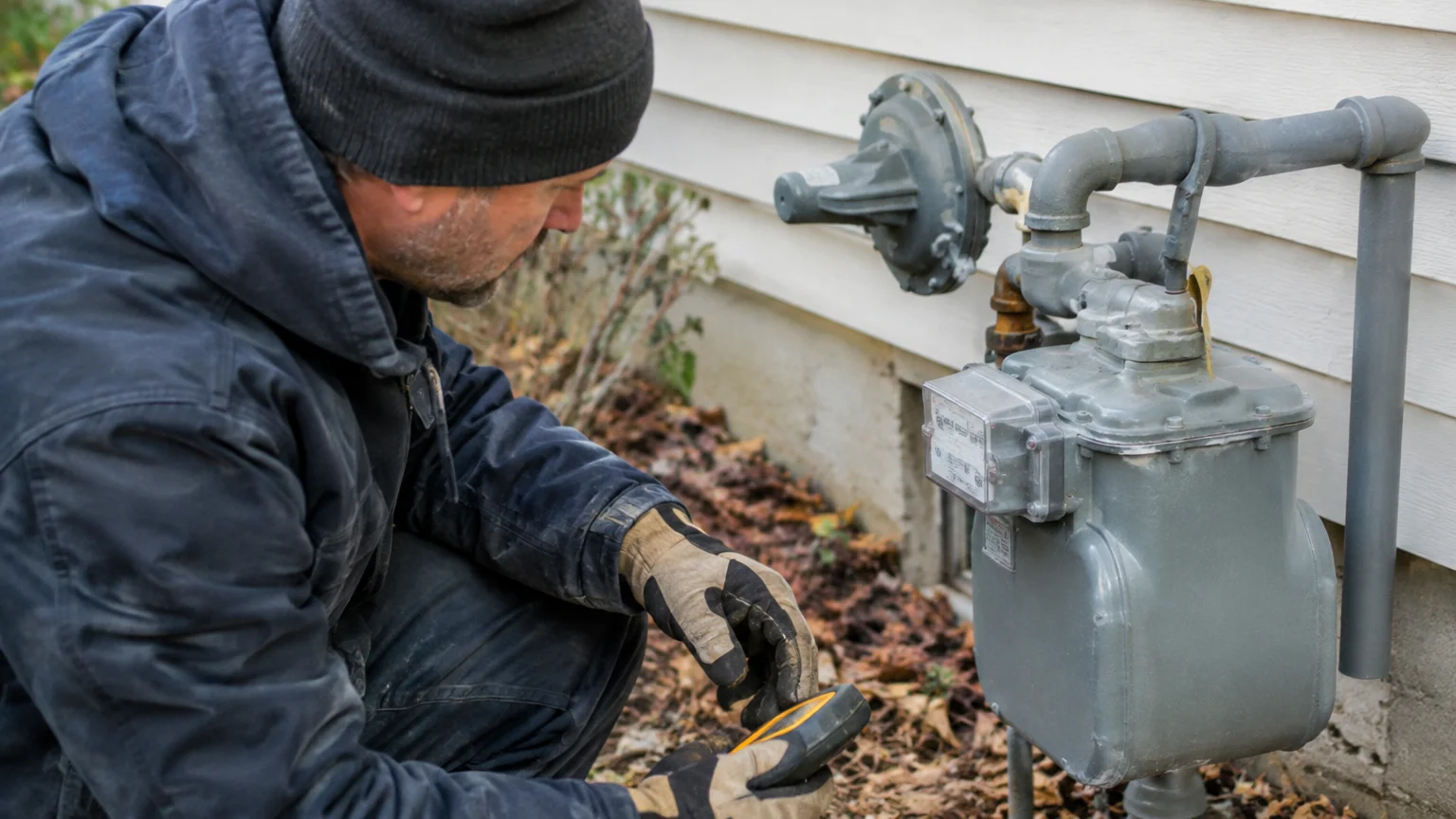
A burst pipe, a fast-growing leak, water near electrical equipment, or a toilet that keeps overflowing needs quick attention. A drain backup affecting several fixtures may also need urgent service. If a water heater leaks heavily or has a strong gas smell, do not try to repair or restart it yourself.
A small drip into a bowl may be less urgent than water spreading across a room, but it still needs follow-up. Ask whether the water can be stopped safely and whether people, belongings, or the building remain at risk. Emergency Plumbing can help with urgent leaks, clogs, and other sudden plumbing failures.
What details to share when requesting urgent service
Tell the service provider what happened, when it began, which fixtures are affected, and whether the water has been shut off. Mention sewage, a gas smell, electrical concerns, or water damage. Share whether the issue is getting worse and whether anyone may be at risk.
Keep the area clear and follow any safety advice you receive. Do not restart a water heater or use a fixture that is backing up. Cedar Park Plumbing serves Cedar Park, including Buttercup Creek and Anderson Mill West, as well as Leander, Brushy Creek, Jollyville, Round Rock, and nearby communities. A local provider can help you understand the next step for an urgent plumbing problem.
How can you reduce the risk of future plumbing emergencies?
Regular checks can help you find leaks, worn parts, and stuck shutoff valves before they fail. Keep drains clear of items they are not made to carry, and act when a fixture changes. Property owners and tenants should also know how to report a leak quickly.
Routine checks for fixtures, pipes, and shutoff valves
Look under sinks, around toilets, and near the water heater for damp spots or stains. Check visible hoses and connections for wear. Test shutoff valves with care, and do not force one that sticks or leaks. Keep the path to the main water shutoff clear, and make sure people in the home know where it is.
Use drain strainers to catch hair and food scraps, and keep grease and wipes out of drains. Fix a running toilet instead of letting it continue. Clean faucet screens when the flow changes at one tap. These steps do not replace professional checks, but they can help you notice common issues early.
What property owners and tenants should document
Property owners can keep notes about repairs, repeat clogs, and appliance concerns. Tenants should report leaks, smells, and water damage to the landlord or property manager as soon as they notice them. Photos and notes can show when a problem began and whether it changed over time.
For homes and businesses across the Cedar Park area, clear records can help the right person respond sooner. Do not hide a stain or cover a damp area before the source is checked. Prevention works best when a small warning sign leads to a clear next step.
Frequently Asked Questions
What causes low water pressure in a house?
Low pressure can come from a partly closed valve, a clogged faucet screen, a leak, or a problem with the water supply. Check whether one fixture or several are affected. If pressure changes suddenly across the home, or you see damp spots, arrange a professional check instead of guessing.
How can someone check for a gas leak?
Do not try to test a suspected gas leak yourself. If there is a strong gas smell, leave the building, avoid flames and switches, and call 911 or the gas utility from a safe place. Do not go back inside until emergency responders say it is safe.
What should someone do if a water heater is leaking from the bottom?
Stay away from hot water and wet electrical parts. If the water supply shutoff is easy to identify and safe to reach, turn it off without forcing it. Do not open the unit or try to patch the tank. Arrange prompt help to learn whether the leak comes from a connection or the heater itself.
How can someone fix a toilet that keeps running?
A toilet that keeps running may have a worn flapper, a float set too high, or another problem inside the tank. A homeowner can look inside if the lid lifts easily and the parts are clear. If the water keeps running after a simple adjustment, stop and arrange toilet repair.
When is a blocked drain an emergency?
A blocked drain needs urgent attention when wastewater backs up into the home, several fixtures stop draining, or water threatens floors and belongings. Stop using affected fixtures and keep people away from wastewater. Do not add more chemical cleaner, especially if you do not know what product is already in the drain.
Key takeaways
- Stop water only when the shutoff is safe and easy to reach.
- Treat gas smells, sewage backups, and water near electricity as hazards.
- Avoid repeated chemical drain cleaner use and risky repair attempts.
- Watch for repeat clogs, damp spots, changing pressure, and running toilets.
- Contact a qualified plumber when a problem is active, spreading, or beyond safe home checks.
Conclusion
Plumbing Mistakes often start when someone ignores a warning sign or tries a risky repair without knowing the cause. Homeowners can check visible fixtures, clean simple parts, and use a plunger for an easy clog. Active leaks, burst pipes, sewage backups, gas smells, and unsafe water heater problems need a careful response.
When urgent plumbing trouble needs professional attention, Contact us to reach Cedar Park Plumbing for help.
If you are not sure what you are dealing with, it is worth having someone look at it before it turns into a bigger job. Get in touch with Cedar Park Plumbing today and we will tell you where you stand.