Drain snaking vs hydro jetting depends on what is blocking the pipe, its condition, and the cleaning needed. A snake can break up or pull out many clogs, while hydro jetting sends pressurized water through the pipe. Snaking often suits one blockage; jetting may help with heavy buildup after a plumber checks the line.
A slow drain can make everyday tasks harder. A kitchen sink may fill while dishes wait, or a bathroom drain may gurgle when a toilet flushes. Choosing a method means more than getting water to flow again. It also means finding the clog’s cause and checking whether the pipe can handle the work.
This guide explains how each method works and what can affect the final quote. It also covers questions to ask before work starts, safe steps you can take, and signs of a possible sewer line problem. Cedar Park Plumbing helps property owners understand options for a blocked drain and prepare questions for a licensed plumber.
Table of Contents
- What Is the Difference Between Drain Snaking and Hydro Jetting?
- How Much Does Drain Snaking vs Hydro Jetting Cost?
- When Is Drain Snaking the Better Choice?
- When Is Hydro Jetting Worth the Cost?
- Which Method Is Safer for Older or Damaged Pipes?
- How Do Plumbers Decide Which Drain Cleaning Method to Use?
- How Long Do Drain Snaking and Hydro Jetting Results Last?
- Can You Use Chemical Drain Cleaners Before Calling a Plumber?
- What Are the Warning Signs of a Main Sewer Line Blockage?
- How Can You Choose Between Snaking and Hydro Jetting?
- Frequently Asked Questions
- Key Takeaways
- Conclusion
What Is the Difference Between Drain Snaking and Hydro Jetting?
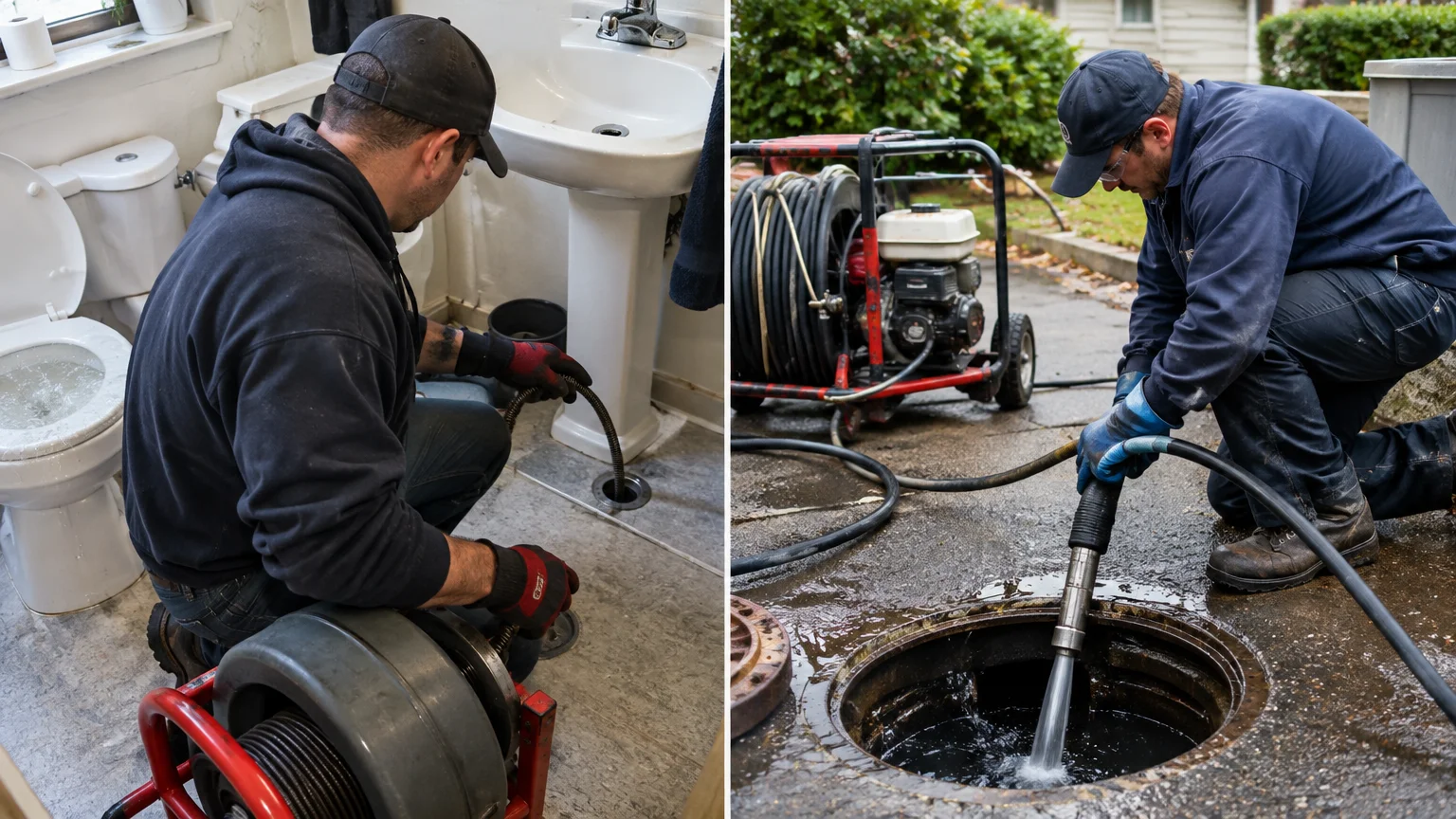
Drain snaking and hydro jetting use different tools to clear pipes. A snake is a long, flexible cable that reaches a clog. Hydro jetting uses pressurized water sent through a hose and nozzle. The best choice depends on what is in the pipe and its condition.
How a drain snake breaks through a blockage
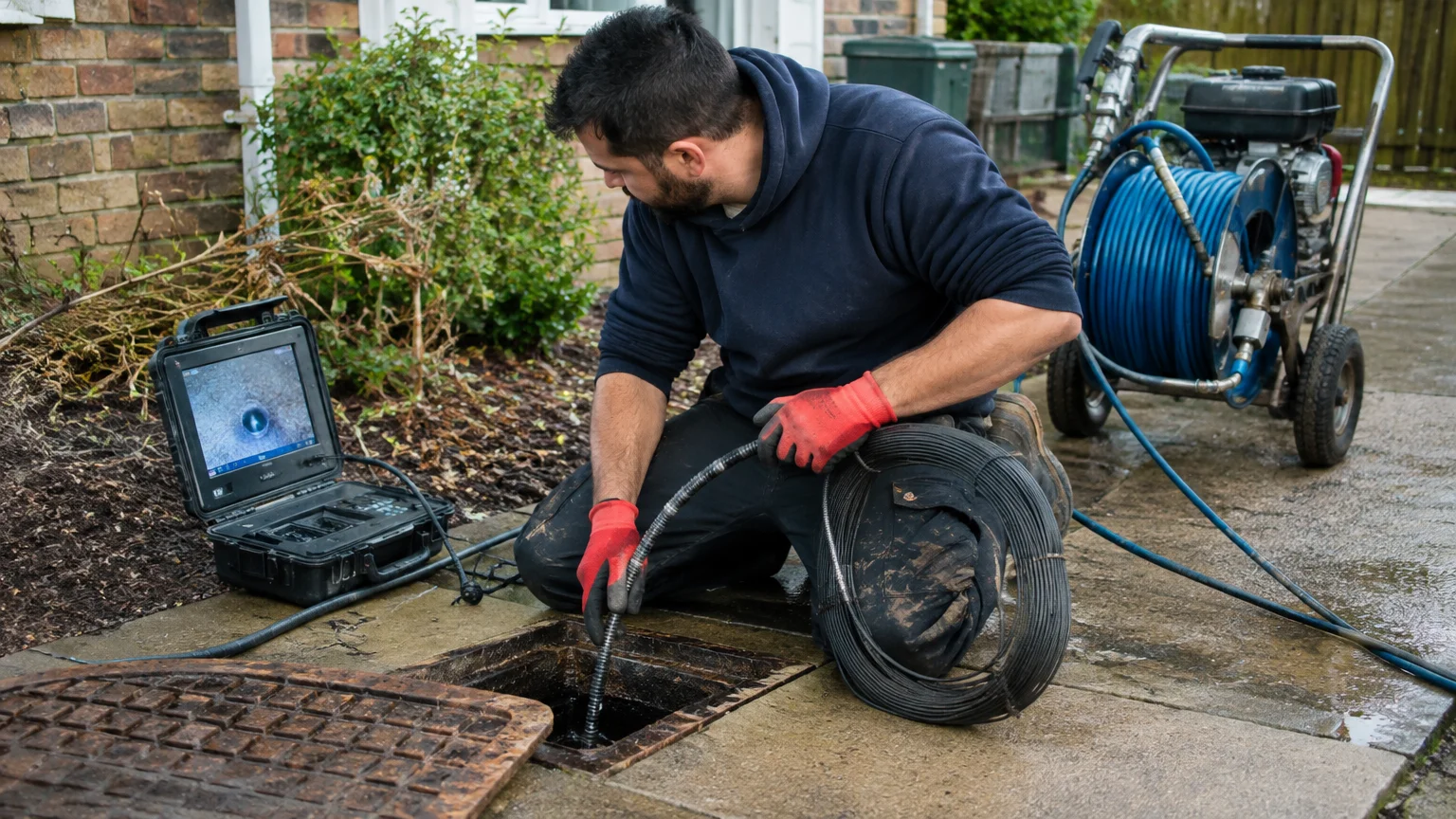
A drain snake, also called a drain auger, is a flexible cable with a head that can cut or grab material. A plumber feeds it into the pipe and guides it toward the clog. The head may break up a blockage or catch material so it can be pulled out. A small hand snake may help with a simple sink clog, but larger tools take skill to use safely.
Snaking often works for hair, paper, or another solid mass in one part of a pipe. It can open a path for water without cleaning the full pipe wall. This matters because water may flow again while residue stays inside. If the clog soon returns, the first clearing may not have removed its cause.
How high-pressure water cleans a drain
Hydro jetting sends water through a hose and nozzle into a drain. The water can move loose grease, sludge, and other buildup through the pipe. Unlike a snake, it can clean more of the inner pipe surface. A plumber must choose equipment and pressure that suit the pipe and blockage.
Jetting is not right for every drain problem. It cannot fix a cracked, crushed, or badly shifted pipe. A plumber should check for damage before choosing this method, especially if a line is old or has repeated problems. In Cedar Park, the right drain cleaning method depends on what an inspection finds.
How Much Does Drain Snaking vs Hydro Jetting Cost?
The final cost of snaking or hydro jetting depends on the clog, pipe, and work needed to reach the problem. A simple clog near a fixture is usually less involved than a deep main sewer blockage. Jetting may need added checks and equipment. The plumber confirms the final cost on a quote after assessing the job.
What affects the cost of either method
The type of blockage matters. A small clump of hair near a bathroom drain may take less work to reach than grease and debris far down a long pipe. Access matters too. A plumber may need to reach a cleanout, remove a fixture trap, or use inspection tools to find the clog. Pipe condition can also change the work needed.
Urgency and the time needed to find the cause may affect the quote. So may a camera inspection, another cleaning method, or pipe repair. These steps are not always needed; they depend on what the plumber finds. Ask what the quote includes and whether the plan may change if the inspection shows pipe damage.
Why the type and location of the blockage matter
A clog in one fixture is often easier to reach than a blockage in a shared branch or main sewer line. A main line may serve several sinks and toilets, so the plumber needs to find the trouble before choosing a tool. A clog that keeps returning may also take more checking than a one-time blockage.
Snaking and jetting do not always do the same job. A snake may open a simple clog, while jetting may be considered when buildup coats the pipe. Choose a method based on more than its name. The cause, access, and pipe condition all matter. Ask for a clear explanation and quote before approving cleaning or repairs.
When Is Drain Snaking the Better Choice?
Drain snaking is often a good first option for a clear, local clog that the tool can reach. It can open a blocked fixture drain without washing the full pipe. A plumber may suggest it when the blockage seems to be one mass and the pipe appears able to handle the tool.
Clogs a snake can usually clear
Hair near a shower drain, food scraps in a sink line, or a small paper blockage may respond to snaking. The tool can reach the clog, break it apart, or pull it back. You may remove a visible stopper or clean a removable drain screen if the fixture guide allows it. This simple care can help when debris has not moved far into the pipe.
You do not need a professional for every slow drain. You can clear hair from a drain cover, clean a sink strainer, or use a plunger on a simple fixture clog. Stop if water backs up in other fixtures, a tool meets strong resistance, or the clog returns. Using a long or powered snake without training can harm pipes or cause injury.
Signs snaking may provide only temporary relief
A drain that slows again soon after snaking may still have buildup on its walls. Repeated clogs in several fixtures can point to a deeper issue. Gurgling, bad smells, or water in a lower drain can also mean the trouble goes beyond one sink or tub.
In these cases, opening one spot may restore flow only for a short time. A plumber may suggest a camera check for roots, grease, scale, or pipe damage. Tell the plumber which fixtures are affected and when the problem began. These details can help show whether the clog is local or part of a larger drain or sewer problem.
When Is Hydro Jetting Worth the Cost?
Hydro jetting may be worth considering when a plumber finds heavy buildup or clogs that keep returning after snaking. It can wash material from the inner pipe surface instead of opening only a narrow path. First, the plumber should make sure the pipe is in good enough condition for water pressure.
How jetting removes grease, scale, and buildup
Grease can stick to a kitchen drain and trap food scraps. Soap residue and other material may build up too. A jetting nozzle sends water through the pipe to loosen and move these deposits. Results depend on the buildup, pipe shape, and equipment. Jetting cannot prevent every future clog.
Scale is a hard deposit that may form inside some pipes. A plumber needs to check what is there before choosing a cleaning tool. If a line is cracked or weak, pressure may cause more trouble instead of fixing it. Ask why jetting suits the pipe and what the inspection showed.
Situations where a more thorough cleaning can help
A kitchen line that clogs again and again may have grease coating the pipe, not one loose object. A long drain with several slow fixtures may also need a broader cleaning method. In these cases, jetting may clear more of the pipe wall after a plumber checks the line. It also helps to keep grease, wipes, and food waste out of drains.
Hydro jetting will not repair a broken pipe, remove every firmly stuck object, or fix a poor pipe slope. A plumber may use a camera or snake first to learn more. Roots or damaged joints may need repair. Good drain cleaning starts with finding the cause, not with a promise that one tool will solve every problem.
Which Method Is Safer for Older or Damaged Pipes?
Neither method is safe for every old or damaged pipe. A snake can scrape or catch a weak pipe, while water pressure can make a crack or loose joint worse. The plumber should check the line and choose a method that suits its material, shape, and condition.
What a plumber should check before cleaning
A plumber may ask about past clogs, repairs, and backups. They may look through an open cleanout or use a camera to see inside the line. A camera inspection uses a small camera on a flexible cable to show the pipe’s inside. It may reveal breaks, roots, heavy buildup, or the clog’s location.
Pipe material matters, but age alone does not tell the full story. The pipe’s condition, joints, bends, and access matter too. Ask the plumber to explain what the inspection shows and why the method fits. Tell them about past leaks, yard changes, or repeated sewer trouble before work starts.
When pipe repairs may be needed instead
Cleaning may not help when a pipe has collapsed, pulled apart, or developed a serious crack. A damaged line can keep catching debris after the clog is gone. The plumber may suggest drain repair or replacement instead of repeated cleaning. The right plan depends on where the damage is and how much of the pipe it affects.
Do not keep running water when a drain is backing up into the home. Stop using fixtures that make the backup worse and keep people away from dirty water. If wastewater comes indoors, contact a plumber promptly. Cedar Park Plumbing can explain which inspection or drain cleaning options may fit the property.
How Do Plumbers Decide Which Drain Cleaning Method to Use?
Plumbers choose a method by finding the clog, learning its cause, and checking the pipe. They may start with questions and a basic check of the fixture. For a deep, recurring, or unclear problem, they may use a camera or other tools before suggesting work.
The role of a drain inspection
A drain inspection can show where a clog sits and what may be inside the pipe. A camera may reveal roots, buildup, damage, or a shifted pipe joint. This can help a plumber treat the cause instead of only the symptom. A small sink clog may not need a camera, but repeated or widespread trouble may need a closer look.
The plumber should explain the findings in plain words. Ask if the blockage looks like one object, soft buildup, roots, or a pipe problem. Ask what the suggested method can do and what it cannot fix. Clear answers help you compare snaking, jetting, and repair without guessing.
How pipe material, condition, and clog location guide the choice
A short fixture branch with one clear clog may suit snaking. A line with grease or debris along a wider area may lead a plumber to consider jetting, if the pipe is sound. A damaged pipe may need repair. A clog near a sink is different from a blockage in the main sewer line.
The drain’s history can help guide the choice. If several fixtures back up at once, the main line may be involved. If only one sink drains slowly, the problem may be close to that fixture. A plumber should not use stronger equipment just because it is available. Careful diagnosis helps match the method to the problem and explain the plan.
How Long Do Drain Snaking and Hydro Jetting Results Last?
Results last until new material builds up or another problem blocks the line. There is no set time that fits every home or business. A clear pipe may stay open longer when the cause is removed and drains are used with care. Symptoms that keep returning need a closer look.
Why recurring clogs can return
A snake may clear the center of a clog but leave material on the pipe wall. Jetting may clean buildup, but it cannot fix a broken joint, poor slope, or damaged pipe. Tree roots can enter through weak spots too. If the cause remains, the drain may clog again after cleaning.
Notice how the problem returns. One slow drain suggests something different from several fixtures that gurgle or back up together. Keep a simple note of the drains affected and when symptoms happen. Share this pattern with the plumber. It can help show whether the issue is local, recurring, or linked to the main sewer.
How maintenance habits affect drain performance
Use drain screens to catch hair and food scraps. Wipe grease from pans into the trash instead of pouring it into the sink. Put only toilet paper and human waste in the toilet. These habits do not replace repairs, but they can reduce common clogs.
Do not use harsh products as routine drain care. Baking soda and vinegar may fizz, but that does not prove a deep clog is gone. Enzyme drain cleaners use agents that break down some organic material over time; they are not quick fixes for every blockage. Follow the label and never mix drain products. If several drains slow down, seek plumbing help instead of trying more cleaners.
Can You Use Chemical Drain Cleaners Before Calling a Plumber?
Chemical drain cleaners can hurt people or surfaces if they splash. Some products may also harm certain pipes or sit in backed-up water. Avoid them if the drain is fully blocked, another product is already in the pipe, or a plumber may need to open the line.
Potential risks to pipes and people
Read and follow the label if you use any drain cleaner. Keep it away from children and pets. Never mix it with bleach, vinegar, or another cleaner. Mixing products can cause a dangerous reaction. If you have already used a product, tell the plumber what it was and when you added it. This helps them plan safe next steps.
Baking soda and vinegar are common home remedies, but they may not clear a stubborn clog. Enzyme cleaners can work slowly on some organic material. They cannot fix roots, broken pipes, or an object stuck in the line. Do not rely on home remedies when wastewater is backing up or several fixtures are affected.
Safer steps to take while waiting for professional help
Stop using the affected fixture if water is rising or coming back into the room. Keep children and pets away from standing wastewater. If it is safe, remove visible debris from a drain cover or clean a sink strainer. Do not reach into a drain, use a power tool, or pour more products into the pipe.
You can check whether the problem affects one fixture or several. If several fixtures are slow, or a toilet and tub back up together, the clog may be farther down the line. Write down the symptoms and any product you used. These details can help the plumber assess the problem and choose a safe response.
What Are the Warning Signs of a Main Sewer Line Blockage?
A main sewer line blockage may affect more than one fixture. Watch for several slow drains, toilets bubbling when sinks drain, or wastewater in a tub or floor drain. These signs need prompt attention because continued water use may send more wastewater into the property.
Common symptoms throughout a property
One slow sink often points to a local clog. A main line problem is more likely when several drains act up at once. A toilet may gurgle as a nearby sink empties, or water may rise in a lower shower when another fixture runs. Bad sewer smells can also mean the line needs checking.
A backup is not the same as low water pressure. Low pressure affects water coming into fixtures, while a blocked drain slows water leaving them. If both happen, they may have different causes. Describe each symptom clearly instead of assuming one repair will solve both.
When a sewer problem needs prompt attention
Stop using water if wastewater comes up through a drain. Do not flush toilets, run laundry, or use sinks until the problem is checked. Keep people away from dirty water and avoid touching it. A sewer backup can expose people to germs and harm floors, walls, and belongings.
Seek plumbing help promptly if several fixtures back up, wastewater enters the home, or the problem returns after cleaning. A plumber can check whether the main line is blocked, damaged, or affected by roots. For urgent trouble, emergency plumbing may help limit further harm. Do not try to push a suspected sewer clog farther down with a household tool.
How Can You Choose Between Snaking and Hydro Jetting?
Choose based on the clog’s cause, the pipe’s condition, and the cleaning needed. Snaking can suit a simple blockage. Hydro jetting may help with buildup in a sound pipe. A plumber’s inspection can show whether cleaning is enough or whether the line needs repair.
Questions to ask before approving drain cleaning
A clear talk with the plumber can help you understand the plan. Ask what they found, why the method fits, and whether the pipe shows damage. Ask what the method can and cannot solve. If the problem returns, ask what the next step may be. These questions can help at a home, rental, or business.
Before work starts, confirm the job and final cost on a quote. Ask whether inspection, cleaning, and any repair are separate parts of the plan. Do not approve work you do not understand. A clear explanation should link the symptoms, inspection results, and method without promising that every clog will stay gone.
Key takeaways for comparing the two methods
- Snaking can clear many local clogs by breaking them up or pulling them out.
- Hydro jetting uses pressurized water to clean more of a pipe’s inner surface.
- A plumber should check pipe condition before cleaning an older or damaged line.
- Repeat clogs, several slow fixtures, or sewage backups may point to a deeper problem.
- Drain screens and keeping grease out of sinks can help prevent common clogs.
You can handle simple upkeep, such as cleaning a strainer or removing hair from a drain cover. Professional help is right for repeat clogs, deep blockages, sewer symptoms, or signs of pipe damage. The goal is not to pick the strongest tool. It is to match the method to the real problem.
Frequently Asked Questions
Is snaking or hydro jetting better for a clogged kitchen drain?
It depends on what is causing the clog. A snake may clear one blockage made of food or debris. Hydro jetting may help when grease coats a longer section of sound pipe. A plumber should check repeat clogs and make sure the pipe can handle water pressure before suggesting jetting. Do not pour cooking grease down a drain.
Can a drain snake damage pipes?
Yes. A snake can harm a weak or damaged pipe if used the wrong way. A small hand tool may help with a simple clog, but powered tools need proper skill. Stop if the tool catches or meets strong resistance. For a deep or recurring blockage, have a plumber check the line before using more force.
Does hydro jetting remove tree roots?
Hydro jetting may cut or move some roots inside a pipe, but it does not close the opening where they entered. Roots may return if the pipe has a gap or crack. A plumber should inspect the line and explain whether cleaning is enough or a repair is needed to address the cause.
Is baking soda and vinegar safe for a blocked drain?
Baking soda and vinegar may fizz, but that does not mean they will clear a deep clog. Never mix them with chemical drain cleaners or other products. For a small surface problem, remove visible debris from a drain screen. For a full blockage or backup, stop using the fixture and seek help.
How can someone tell if a clog is in the main sewer line?
Several slow fixtures, toilets that gurgle when other drains run, or wastewater coming up through a lower drain may point to a main sewer problem. One slow sink is more likely to have a local clog. Stop using water if sewage backs up and arrange prompt plumbing help.
Key Takeaways
- Snaking and hydro jetting clear drains in different ways; the clog and pipe condition guide the choice.
- Snaking often suits a local blockage, while jetting may help with buildup in a sound pipe.
- Inspection matters before jetting, especially when a line is old, damaged, or blocked again and again.
- You can clean screens and remove visible debris, but should not force tools into pipes.
- Several affected fixtures or a sewer backup need prompt professional attention.
Conclusion
Drain snaking vs hydro jetting has no single winner for every property. A snake can open many simple clogs. Hydro jetting may clean a wider area when buildup is the cause and the pipe is sound. A careful check can show when repair, rather than cleaning, is the right answer.
For property owners in Cedar Park, noting which fixtures are affected and when the problem began can help a plumber find the cause. Cedar Park Plumbing can explain drain cleaning options and help you understand what to ask before work starts. Contact us to discuss a blocked drain and the next step.